
Mechanisms Behind Bronchogen’s Anti-Inflammatory Effects Researchers study Bronchogen as a peptide complex that influences inflammation at the cellular level in

AMPK, or AMP activated protein kinase, works as a central cellular energy sensor that detects changes in the ratio of AMP/ADP to ATP inside cells. When energy supply drops, AMPK activates and shifts cellular functions toward energy production pathways. This switch helps cells increase glucose uptake and boost fatty acid oxidation to make more ATP, the main energy molecule.
AMPK activators are molecules that enhance this activation process. Greece Research shows when AMPK turns on, it strongly promotes ATP-generating processes and reduces energy-intensive processes such as lipid and protein synthesis. These changes improve how cells manage energy under stress.
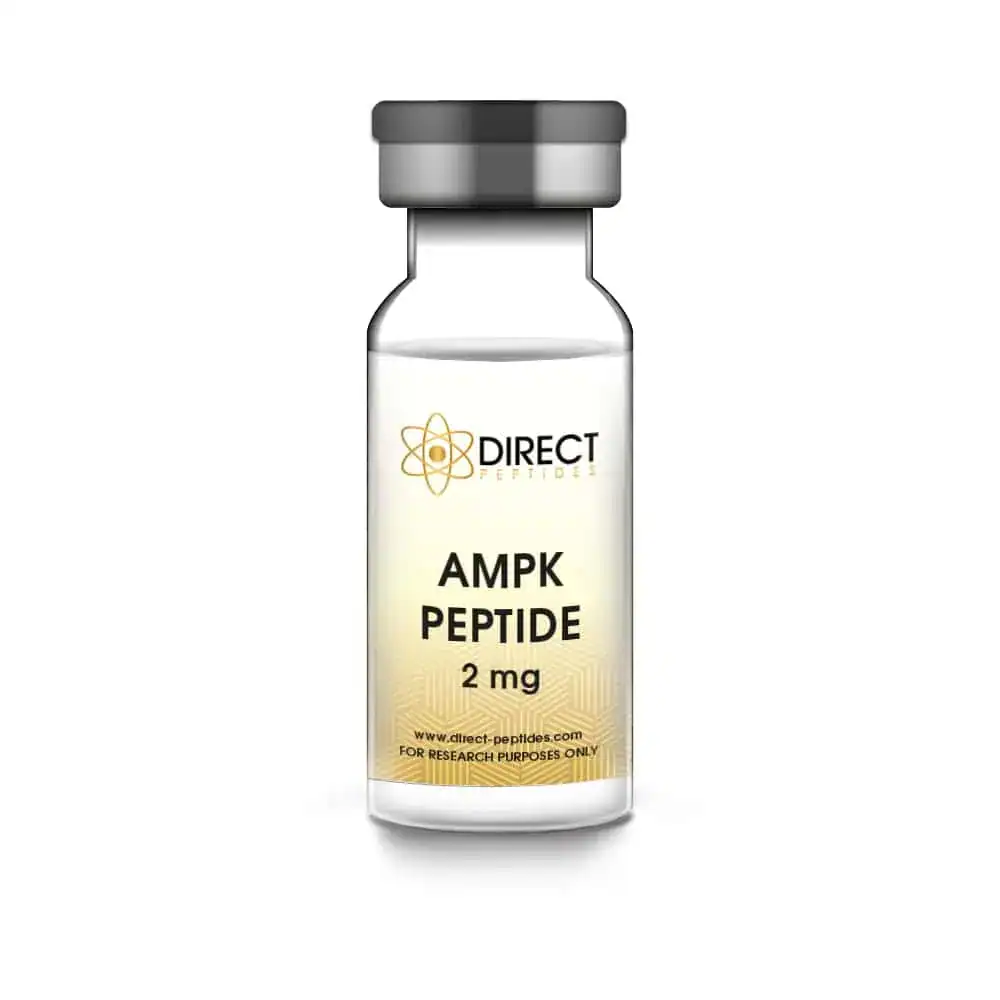
Explore AMPK Peptide from Direct Peptides Greece, research-focused compounds commonly used to study cellular energy signaling and metabolic pathway regulation.

Cells activate AMPK when energy levels decline and AMP/ATP or ADP/ATP ratios rise. AMPK operates as a heterotrimeric kinase complex and senses these nucleotide shifts through its γ regulatory subunit. AMP and ADP bind to specific sites on the γ subunit and induce structural changes that promote AMPK phosphorylation and prevent its dephosphorylation.
The upstream kinase LKB1 phosphorylates the AMPK α subunit at threonine-172, a modification required for full catalytic activity. This phosphorylation converts the cellular energy signal into an active biochemical response. Energy stress caused by nutrient limitation, hypoxia, or reduced mitochondrial ATP production raises AMP and ADP levels, which drives AMPK into an activated state and initiates downstream metabolic adaptation pathways.
Activated AMPK reduces cellular energy expenditure by directly suppressing ATP consuming biosynthetic processes. Once active, AMPK phosphorylates key metabolic regulators that control lipid, protein and carbohydrate synthesis. This action limits pathways that demand high ATP input and shifts cellular priorities toward energy preservation.
AMPK inhibits fatty acid and sterol synthesis by targeting enzymes such as acetyl-CoA carboxylase, which lowers malonyl-CoA levels and reduces lipid biosynthesis. AMPK also suppresses protein synthesis through inhibition of mTORC1 signaling, a major driver of cellular growth and ATP consumption. In parallel, AMPK downregulates gluconeogenic and other anabolic transcription programs in energy stressed cells.
Through these coordinated actions, AMPK lowers total cellular ATP demand and stabilizes energy balance during metabolic stress without relying on additional energy inputs. Among these peptides, MOTS-C directly connects mitochondrial signaling to changes in cellular metabolism.
Explore Peptide Supplies at Direct Peptides for all your reconstitution requirements.
Beyond classical AMPK signaling, research also highlights specific peptides that influence cellular energy regulation and stress responses through mitochondrial and metabolic pathways. The following peptides have gained attention in energy homeostasis research:
 Greece MOTS-C is a short peptide encoded by mitochondrial DNA that regulates cellular energy metabolism during metabolic stress. Cells increase MOTS-C activity when energy demand rises. MOTS-C alters intracellular metabolism by interacting with the folate cycle, which raises endogenous AICAR levels and triggers energy regulating signaling pathways.
This process improves glucose utilization and supports metabolic flexibility in cells with high energy requirements, such as muscle cells. MOTS-C also responds to stress by moving from mitochondria to the nucleus. In the nucleus, it directly regulates genes involved in metabolic adaptation and cellular stress control.
Through these actions, MOTS-C links mitochondrial signals to nuclear gene regulation. This coordination allows cells to adjust energy use efficiently and maintain energy balance during sustained metabolic stress.
Explore MOTS-C Peptide from Direct Peptides Greece, a mitochondrial-derived peptide used in research to study metabolic adaptation, glucose utilization, and cellular energy regulation.
 Humanin is a mitochondrial derived peptide that protects cells when mitochondria face stress. It improves mitochondrial stability during oxidative stress, nutrient deprivation, and hypoxia. Humanin limits stress induced damage by preserving mitochondrial function and maintaining cellular viability.
Humanin blocks pro-apoptotic signaling that targets mitochondria. It interferes with proteins that trigger mitochondrial membrane disruption and cell death. By doing so, Humanin helps mitochondria continue producing energy under stressful conditions.
Humanin also supports mitochondrial integrity by reducing oxidative damage and sustaining bioenergetic capacity across multiple cell types. These actions make Humanin a key peptide involved in mitochondrial stress resistance rather than direct energy sensing or activation pathways.
Explore Humanin Peptide from Direct Peptides Greece, a mitochondrial peptide researched for its role in cellular stress resistance and mitochondrial stability under challenging conditions.
| Factor | Primary Role in Energy Regulation | Key Functional Focus |
|---|---|---|
| AMPK | Acts as a cellular energy sensor that responds to low energy states | Detects AMP/ADP to ATP imbalance, activates ATP-producing pathways, suppresses energy-consuming biosynthesis |
| MOTS-C | Modulates metabolic pathways during energy stress | Adjusts glucose metabolism, supports metabolic flexibility, links mitochondrial signals to nuclear gene regulation |
| Humanin | Protects mitochondrial function under stress | Preserves mitochondrial integrity, blocks stress-induced cell death pathways, supports bioenergetic stability |
Ongoing research continues to examine how these mechanisms intersect across tissues and stress conditions, shaping future directions in cellular energy regulation research.
Future research will continue to clarify how AMPK activators coordinate with mitochondrial derived peptides to regulate cellular energy balance. Greece Studies are focusing on tissue specific signaling, pathway integration and adaptive responses during metabolic stress to better define these interactions.
Ongoing work also aims to expand mechanistic understanding of peptides such as MOTS-C and Humanin, including how mitochondrial signals influence nuclear gene regulation and stress resilience. These efforts will help refine current energy regulation models and support deeper insight into cellular adaptation under energy-limited conditions.
Shop ALL Peptide Vials from Direct Peptides today, your trusted supplier of premium clinical grade peptides online.
[1] Garcia D, Shaw RJ. AMPK: Mechanisms of Cellular Energy Sensing and Restoration of Metabolic Balance. Mol Cell. 2017 Jun 15;66(6):789-800.
[2] Kim J, Yang G, Kim Y, Kim J, Ha J. AMPK activators: mechanisms of action and physiological activities. Exp Mol Med. 2016 Apr 1;48(4):e224.
[3] Zheng Y, Wei Z, Wang T. MOTS-c: A promising mitochondrial-derived peptide for therapeutic exploitation. Front Endocrinol (Lausanne). 2023 Jan 25;14:1120533.
[4] Yang B, Yu Q, Chang B, Guo Q, Xu S, Yi X, Cao S. MOTS-c interacts synergistically with exercise intervention to regulate PGC-1α expression, attenuate insulin resistance and enhance glucose metabolism in mice via AMPK signaling pathway. Biochim Biophys Acta Mol Basis Dis. 2021 Jun 1;1867(6):166126.
How does AMPK activation differ between tissues?
AMPK activation differs between tissues because each tissue expresses distinct AMPK subunit combinations and supports different metabolic functions. In skeletal muscle, AMPK enhances glucose uptake and fatty acid oxidation. In liver, AMPK suppresses lipid synthesis and gluconeogenesis. In adipose tissue, AMPK regulates lipid storage and energy expenditure in response to local energy demands.
Can AMPK activation influence inflammation in the body?
AMPK activation influences inflammation by suppressing energy intensive pro-inflammatory signaling pathways. Activated AMPK inhibits regulators such as NF-κB and inflammasome components, reducing inflammatory gene expression during metabolic stress. This mechanism links cellular energy sensing to immune regulation and helps limit chronic inflammation associated with metabolic imbalance.
How is AMPK linked to obesity or weight regulation?
AMPK links to weight regulation by controlling lipid metabolism and cellular energy efficiency across metabolic tissues. When activated, AMPK promotes fatty acid oxidation and suppresses lipid synthesis in muscle, liver, and adipose tissue. Reduced AMPK activity is frequently observed in obesity-associated metabolic states, where energy regulation becomes impaired.
Can AMPK affect aging or cellular senescence?
AMPK affects aging by regulating pathways involved in stress resistance, autophagy, and metabolic stability. Activation of AMPK supports cellular maintenance by improving energy efficiency and limiting damage accumulation. Age related decline in AMPK responsiveness may contribute to impaired stress adaptation and increased cellular senescence in metabolically active tissues.
How long does AMPK remain activated after energy stress?
AMPK activation is rapid and transient, closely reflecting cellular energy status. Activity increases when ATP levels fall during energy stress and declines as ATP production recovers. Once energy balance is restored and AMP and ADP levels decrease, AMPK activity returns toward baseline to maintain metabolic equilibrium.

Mots-c Pre-Mixed Pen 10mg Peptide
Price range: £32.37 through £87.40 Select options This product has multiple variants. The options may be chosen on the product page
Humanin Pre-Mixed Pen 10mg Peptide
Price range: £52.49 through £141.72 Select options This product has multiple variants. The options may be chosen on the product page
AMPK Nasal Spray
Price range: £26.24 through £47.48 Select options This product has multiple variants. The options may be chosen on the product page
AMPK Peptide Vial
Price range: £17.84 through £98.81 Select options This product has multiple variants. The options may be chosen on the product pageMechanisms Behind Bronchogen’s Anti-Inflammatory Effects Researchers study Bronchogen as a peptide complex that influences inflammation at the cellular level in

The Role of the Bronchogen Peptide Greece for Lung Tissue Research Researchers study the bronchogen peptide in laboratory models to

Why Does PEG MGF Peptide Greece Last Longer Than Regular MGF? The PEG-MGF peptide lasts longer in research environments due

How Can Pegylated MGF Greece Reduce Cortisol? Cortisol, often called the “stress hormone,” plays a crucial role in metabolism, immune